Skip to the content
[ ]

LSPHIL

LSPHIL › Translation & interpreting

Translation & interpreting

5 materials · updated

Translation and interpreting are measured by what each check can prove. This desk looks at the modes and what they cost an event, at back-translation and the drift it does not catch, at the word “untranslatable” as marketing, and at the machine errors that read perfectly.

The desk in numbers

Every material on this desk, longest first.

Register of the Translation & interpreting desk — 5 materials, 5,863 words in all. Compiled from the LSPHIL catalogue on 2026-10-10; lengths are counted from the published pages.
MaterialLanguageKindWords
Translating Poker Terms: Challenges and Clever SolutionsEnglishFeed2212
"Untranslatable" Is a Marketing WordEnglishFeature1199
Why Machine Translation Makes Mistakes That Sound PerfectEnglishFeature886
Back-Translation Checks Meaning Drift, But It Cannot Prove a Translation WorksEnglishFeature862
Simultaneous vs. Consecutive Interpreting: What Each Mode Costs Your EventEnglishFeature704
Total1 languages5 materials5,863

On this desk

Modes, costs and the limits of every quality check, machine or human.

Translation & interpretingEnglish1199 words

"Untranslatable" Is a Marketing Word

The word "untranslatable" sells. It promises readers access to feelings no English speaker has ever had, to concepts that lie beyond the reach of their native tongue. The claim is almost always false. Translators do not face a blank wall when they encounter toska, cafuné, or Schadenfreude.
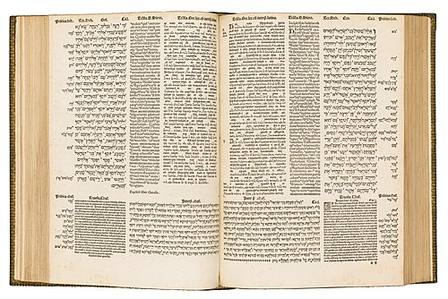
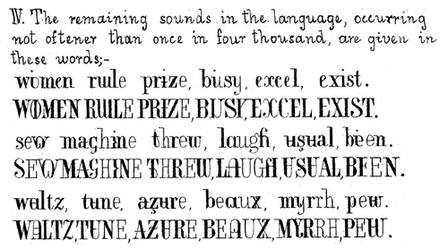
Complutensian Polyglot Bible, open face
Complutensian Polyglot Bible, open face. Juan de Brocar Antonio de Nebrija Hernán Núñez de Toledo Alfonso de Zamora · Public domain · Wikimedia Commons

English · 1199 words · Read

Translation & interpretingEnglish704 words

Simultaneous vs. Consecutive Interpreting: What Each Mode Costs Your Event

Simultaneous interpreters speak while the source speaker continues. Consecutive interpreters wait for pauses—or for the speaker to finish entirely—before rendering the message. This single operational difference governs everything that follows: how long the event runs, how many interpreters you need, and how much information survives the transfer intact.

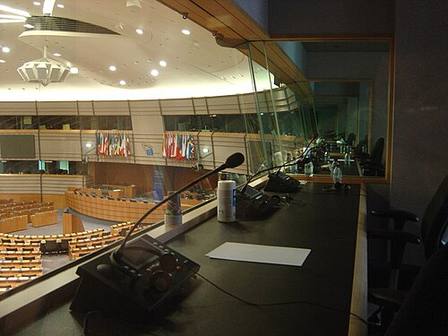
Cabine traduction
Cabine traduction. Séb · CC BY-SA 3.0 · Wikimedia Commons

English · 704 words · Read

Translation & interpretingEnglish862 words

Back-Translation Checks Meaning Drift, But It Cannot Prove a Translation Works

The back-translation test is designed to catch one thing: whether meaning has drifted between the original text and its translation. It is not a seal of quality. The method is a translation of a translated text back into the original language, made by a separate translator who has never seen the source.

Rosetta Stone, British Museum 003
Rosetta Stone, British Museum 003. لا روسا · CC BY-SA 3.0 · Wikimedia Commons

English · 862 words · Read

Translation & interpretingEnglish886 words

Why Machine Translation Makes Mistakes That Sound Perfect

Fluent output is not evidence of accuracy. That principle sits at the heart of ISO 18587:2017, the international standard governing how human post-editors must handle machine translation output. The standard requires full post-editing to check accuracy and comprehensibility, improve readability, and correct errors—producing output comparable to human translation.

German teleprinter control panel at IMWWII.agr
German teleprinter control panel at IMWWII.agr. ArnoldReinhold · CC BY-SA 4.0 · Wikimedia Commons

English · 886 words · Read