Skip to the content
[ ]

LSPHIL

LSPHIL › Philippine languages

Philippine languages

6 materials · updated

Philippine languages are a naming problem before they are a counting problem: Filipino, Tagalog and Cebuano are not three labels for one thing. This desk covers the national language question, the moving count of languages in the country, mother-tongue instruction as policy rather than slogan, and the grammar behind Taglish. Older material from the society’s archive sits here too.

The desk in numbers

Every material on this desk, longest first.

Register of the Philippine languages desk — 6 materials, 4,534 words in all. Compiled from the LSPHIL catalogue on 2026-10-10; lengths are counted from the published pages.
MaterialLanguageKindWords
Why the Count of Philippine Languages Keeps MovingEnglishFeature997
Why Filipino, Not Cebuano, Is the Philippines' National LanguageEnglishFeature832
Taglish Shows Code-Switching Follows Grammatical Rules, Not Random HabitEnglishFeature821
Filipino Is the National Language. Tagalog Is the Census Category. That Distinction Matters.EnglishFeature771
Philippine Journal of LinguisticsEnglishReference591
2nd Philippine Linguistics InstituteEnglishArchive522
Total1 languages6 materials4,534

On this desk

Filipino, Tagalog, Cebuano and the rest: names, counts, policy, code-switching.

Philippine languagesEnglish997 words

Why the Count of Philippine Languages Keeps Moving

The 2020 Census of Population and Housing reported Tagalog as the language generally spoken in 10,522,507 households, Bisaya/Binisaya in 4.21 million, and Cebuano in 1.72 million. Ethnologue, the reference catalogue maintained by SIL International, lists 184 living languages for the same country. Both figures are accurate. Neither answers the same question.

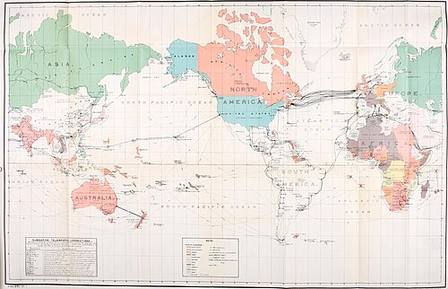
A pronouncing gazetteer and geographical dictionary of the Philippine Islands, United States of America with maps, charts and illustrations (1902) (14777858222)
A pronouncing gazetteer and geographical dictionary of the Philippine Islands, United States of America with maps, charts and illustrations (1902) (14777858222). United States. Bureau of Insular Affairs; United States. 57th Congress (1st session, 1901-1902); Keim, De B. Randolph (D · No restrictions · Wikimedia Commons

English · 997 words · Read

Philippine languagesEnglish832 words

Why Filipino, Not Cebuano, Is the Philippines' National Language

The 1987 Constitution draws a deliberate line between national identity and daily governance. Section 6 of Article XIV names Filipino as the national language. Section 7, in the same article, keeps English as an official language unless Congress acts otherwise. This arrangement was designed to survive demographic shifts. It has.

NLPManilajf0030 01
NLPManilajf0030 01. Ramon FVelasquez · CC BY-SA 3.0 · Wikimedia Commons

English · 832 words · Read

Philippine languagesEnglish821 words

Taglish Shows Code-Switching Follows Grammatical Rules, Not Random Habit

Bilingual speakers do not flip between languages arbitrarily. Research on Taglish—the alternation between Tagalog and English common in the Philippines—demonstrates that code-switching operates under strict grammatical constraints, occurring primarily at points where the surface structures of both languages align.

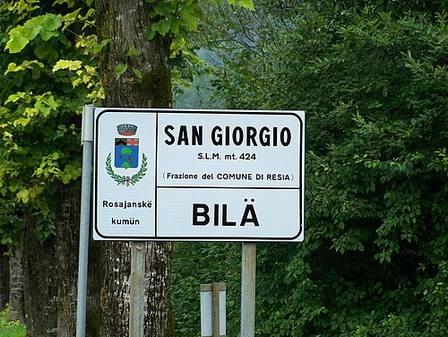
Bilingual road sign in Resia-Rezjia
Bilingual road sign in Resia-Rezjia. Klenje · CC BY-SA 3.0 · Wikimedia Commons

English · 821 words · Read